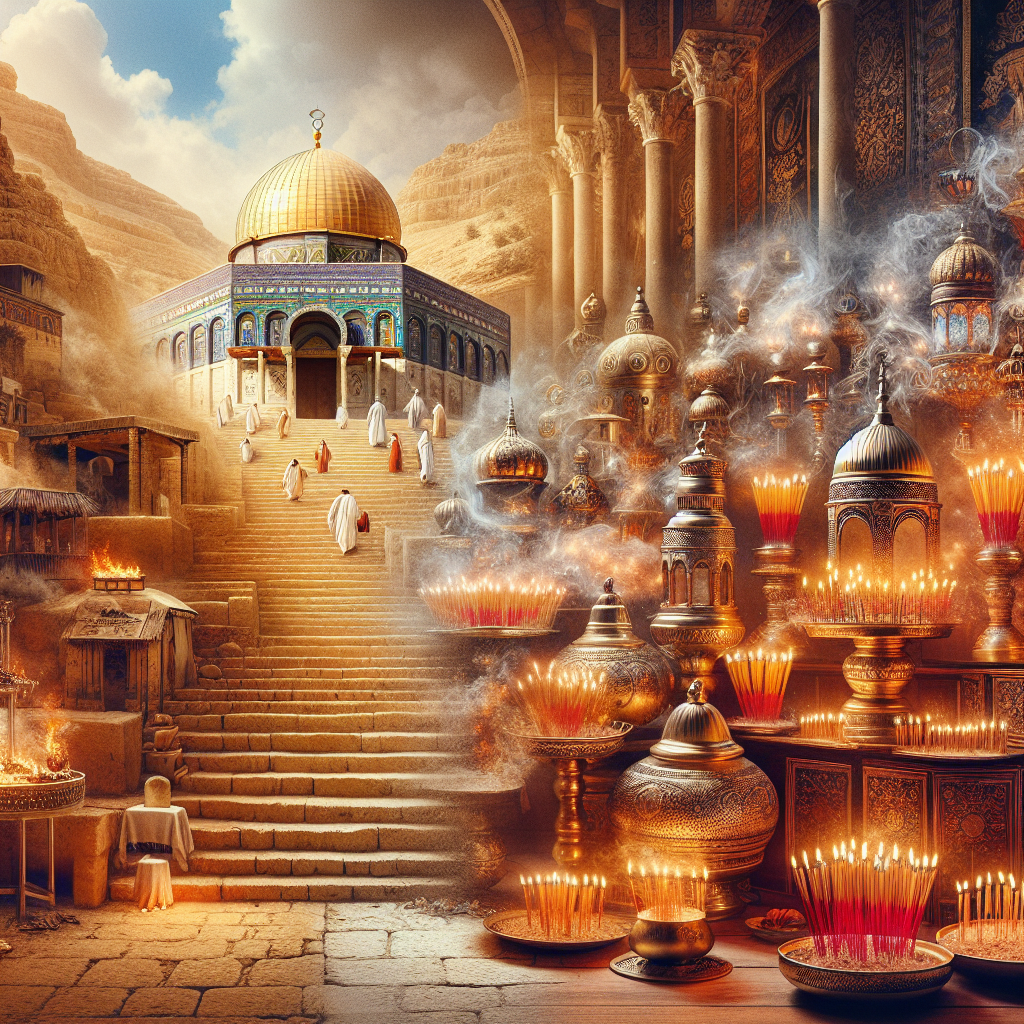
Introduction: The Timeless Tradition of Incense in the Holy Land
From the ancient stone temples of Jerusalem to today’s peaceful home altars, incense has played a sacred role in the Holy Land for thousands of years. Its fragrant smoke has long been used to mark moments of prayer, meditation, and celebration. Even now, the tradition lives on, connecting us to the wisdom and rituals of the past.
Incense is more than just a pleasant aroma-it is a bridge between worlds. Throughout history, people have turned to incense for many reasons:
- Spiritual connection: Elevates prayers and intentions
- Purification: Cleanses spaces and minds
- Healing: Uses herbal blends for wellness and balance
Today, modern artisans like Seraphim Incense honor these age-old traditions. They craft blends that combine historical recipes, local herbs, and a passion for transformative ritual. As we explore the journey of incense in the Holy Land, you’ll discover how this mystical art continues to unite history, herbal wisdom, and spiritual practice.
Incense in Ancient Temples: Sacred Origins
The use of incense in the Holy Land dates back thousands of years, with its roots deeply embedded in temple rituals and sacred ceremonies. In ancient times, priests would burn aromatic herbs and precious resins as offerings to the divine. These fragrant clouds were believed to purify the temple, elevate prayers, and create a bridge between the earthly and the spiritual realms.
- Frankincense: Symbolized holiness and was often used in daily temple rituals.
- Myrrh: Associated with purification and healing ceremonies.
- Cinnamon and galbanum: Added for their unique scents and spiritual significance.
Incense carried powerful symbolic meanings in biblical times. Burning incense was a sign of respect, devotion, and hope for divine favor. Priests would carefully select botanicals for their spiritual properties, ensuring each ingredient served a purpose. Today, these ancient practices remind us of the enduring role of scent in worship and the quest to connect with something greater.
From Tradition to Transformation: Herbal Wisdom and Spiritual Healing
For centuries, the Holy Land has been home to a rich tapestry of herbs cherished for their energetic properties. Ancient herbalists understood that plants like frankincense, myrrh, sage, and rosemary offered more than pleasing scents-they carried healing vibrations. Today, modern incense makers draw on this wisdom, blending tradition with new insights to create incense that supports emotional, mental, and spiritual harmony.
The Healing Incense Line by Seraphim Incense is a prime example of this fusion. Each recipe is carefully crafted, selecting herbs for their unique qualities. For instance, lavender is chosen for calming the mind, while olive leaves promote peace and renewal. These blends are designed to help you achieve balance and well-being. To integrate healing incense into your daily routine, try these simple practices:
- Light incense during meditation to center your thoughts
- Use incense before sleep to promote relaxation
- Burn specific blends for emotional clarity or spiritual grounding
By embracing these ancient herbal traditions, you invite deeper healing and a sense of sacredness into your everyday life.
Modern Spirituality: Incense for Rituals and Manifestation
Today, incense is more than a relic of ancient temples-it is a vital tool in modern spiritual practices. Artisanal lines like the Manifest Line and Single Spirit Line have reimagined incense for contemporary needs. Healers, shamans, and ritual practitioners use these blends and single-herb sticks for manifestation, protection, attraction, and spell work. Each blend is crafted with intention, drawing on traditional wisdom while embracing modern spiritual goals.
- Manifest Line: Designed for setting intentions and manifesting desires, using herbs like frankincense and myrrh.
- Single Spirit Line: Features pure, single-herb sticks such as sage or lavender for focused energy work.
To incorporate incense into your daily rituals, try these simple steps:
- Light an incense stick while setting a daily intention or prayer.
- Use specific blends for different purposes-rose for love, cedar for protection, or sandalwood for clarity.
- Circle incense smoke around yourself or sacred objects to cleanse and empower them.
By choosing the right incense and using it with purpose, you can deepen your spiritual practice and invite positive energy into your space.
Pagan and Seasonal Celebrations: Honoring the Wheel of the Year
Incense has always played a vital role in pagan and seasonal rituals, marking solstices, equinoxes, and sacred festivals. Its aromatic smoke is believed to bridge the material and spiritual worlds, helping participants attune to the rhythms of nature. Today, many celebrate the Wheel of the Year with incense blends crafted for each season, deepening their connection to the earth’s cycles.
Seraphim Incense offers special blends for these magical moments. For example, their Sunrise Solstice blend features uplifting citrus and sacred resins, perfect for summer celebrations. The Equinox Harmony mix, with earthy frankincense and calming lavender, is ideal for autumn or spring gatherings. Using incense can enhance both group rituals and solitary meditations, inviting clarity, gratitude, and renewal.
- For winter solstice, choose warming spices like cinnamon and myrrh.
- During spring equinox, select floral scents such as rose or jasmine.
- For summer, try citrus and frankincense for energy and joy.
- In autumn, earthy blends with patchouli and cedar help ground your intentions.
Light your chosen blend with intention, letting the fragrant smoke guide your focus and honor each season’s unique energy.
The Art of Hand-Rolled Incense: Craftsmanship and Intention
At Seraphim Incense, every hand-rolled stick is a testament to both skill and spirit. The process begins with the careful gathering of 100% natural herbs native to the Holy Land. Artisans select each ingredient for its aroma, purity, and historical significance. This mindful selection ensures that every stick is rooted in tradition and authenticity.
- Wild sage for cleansing and clarity
- Frankincense resin for spiritual elevation
- Rose petals for gentle, heart-opening energy
The rolling of incense is more than a craft-it is a sacred act. Each artisan works with focused intention, infusing every stick with positive energy. This mindful creation bridges ancient wisdom with modern spiritual needs. As a result, Seraphim Incense offers more than fragrance; it delivers a ritual tool, crafted with care and purpose, ready to support meditation, prayer, or daily reflection.
- Choose a quiet space for rolling to maintain focus.
- Blend herbs by hand to preserve their natural power.
- Roll each stick slowly, setting a clear intention with every movement.
By honoring both tradition and intention, Seraphim Incense transforms simple materials into a potent spiritual ally for today’s seekers.
Practical Guide: Integrating Incense into Daily Life
Bringing incense into your daily routine can deepen moments of reflection and foster a sense of peace. Start by choosing an incense blend that matches your intention. For meditation, try calming scents like frankincense or sandalwood. For spiritual cleansing, myrrh or sage are excellent choices. Always burn incense in a well-ventilated area and use a sturdy holder to ensure safety.
- Morning Ritual: Light incense while setting intentions for the day.
- Meditation Aid: Burn incense before or during meditation to enhance focus.
- Spiritual Cleansing: Walk incense smoke through your space to clear negative energy.
- Healing Practice: Use soothing blends like lavender to promote relaxation and emotional balance.
To create a meaningful ritual, set aside a quiet space and take a few deep breaths as the incense burns. Invite others to join you for communal well-being or enjoy the experience alone. With mindful use, incense can transform ordinary moments into sacred ones, supporting both personal growth and shared connection.
Conclusion: The Living Legacy of Incense in the Holy Land
From ancient temples to modern altars, incense continues to hold deep spiritual and cultural meaning in the Holy Land. Its fragrant smoke has connected generations-bridging the sacred and the everyday, the past and the present. Today, this living legacy invites us to honor tradition and enrich our own lives.
You can integrate artisanal incense into your daily routine to foster a sense of peace and reflection. Here are some simple ways to embrace this tradition:
- Light incense during meditation or prayer to create a sacred atmosphere.
- Choose natural, locally crafted blends to support artisans and connect with the land’s heritage.
- Use incense to mark special moments or transitions, inviting mindfulness and gratitude.
By embracing incense in your own space, you nurture a deeper connection to nature, history, and personal transformation. Let the aroma of incense remind you of the enduring spirit of the Holy Land-and inspire moments of calm, clarity, and reverence in your daily life.
Frequently Asked Questions: The History and Evolution of Incense in the Holy Land
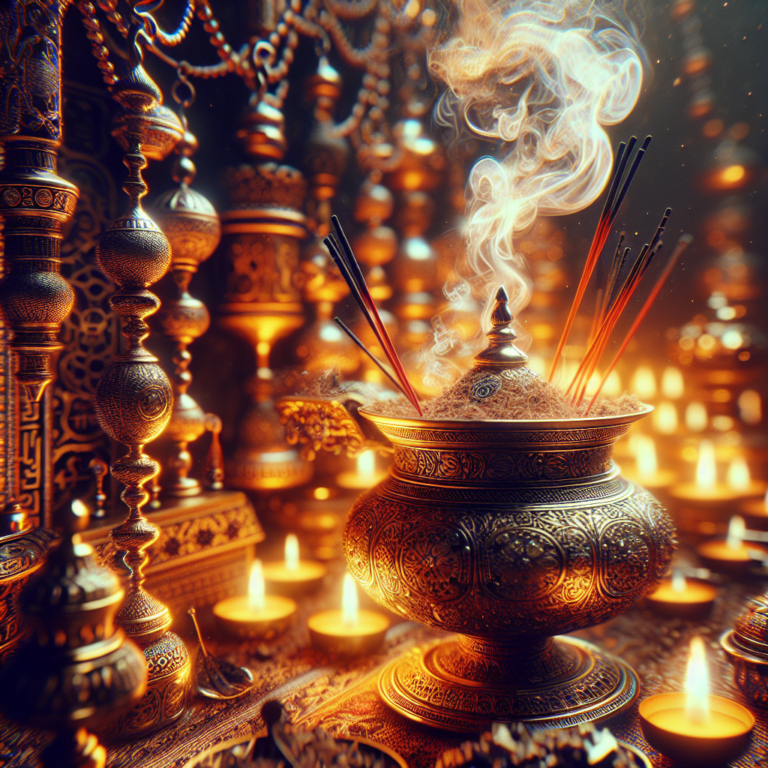
What were the primary uses of incense in ancient Holy Land temples?
Incense played a vital role in ancient Holy Land temples, serving both spiritual and practical purposes. It was used during rituals to honor deities, purify sacred spaces, and create a sense of reverence. Additionally, incense helped mask unpleasant odors and symbolized prayers rising to the heavens. If you’re interested in recreating these traditions, try using natural resins like frankincense or myrrh during your own meditative practices.
How did the ingredients for incense change over time in the region?
Over centuries, the ingredients for incense evolved as trade routes expanded and new botanicals became available. Early blends relied on local resins and herbs, while later recipes incorporated exotic spices and imported aromatics. This evolution reflects the region’s dynamic history and cultural exchanges. For a modern twist, experiment with blending traditional Holy Land resins with your favorite contemporary scents.
Why was incense considered so important in religious ceremonies?
Incense was seen as a bridge between the earthly and the divine, making it essential in religious ceremonies. Its fragrant smoke symbolized purification, sanctification, and the ascent of prayers. This tradition continues today, reminding us of the enduring power of scent in spiritual practice. To add meaning to your own rituals, select incense that resonates with your intentions and beliefs.
Are there specific types of incense still used in modern Holy Land altars?
Yes, many modern Holy Land altars still use traditional incense types, such as frankincense, myrrh, and labdanum. These timeless scents connect present-day worshippers with their rich spiritual heritage. If you’re looking to incorporate these into your own space, seek out high-quality, ethically sourced resins for an authentic experience that honors ancient traditions.
How can I safely use incense in my home for spiritual or meditative purposes?
To safely use incense at home, always place it in a sturdy, heat-resistant holder away from flammable materials. Ensure good ventilation and never leave burning incense unattended. Choose natural, non-toxic blends to avoid inhaling harmful chemicals. By following these tips, you can enjoy the calming and spiritual benefits of incense while connecting to the practices described in the article.
What are some practical ways to incorporate incense into modern rituals?
Incorporating incense into modern rituals can be simple and meaningful. Light incense before meditation, prayer, or yoga to set a sacred atmosphere. You can also use