Introduction: The Timeless Role of Incense in Spiritual Traditions
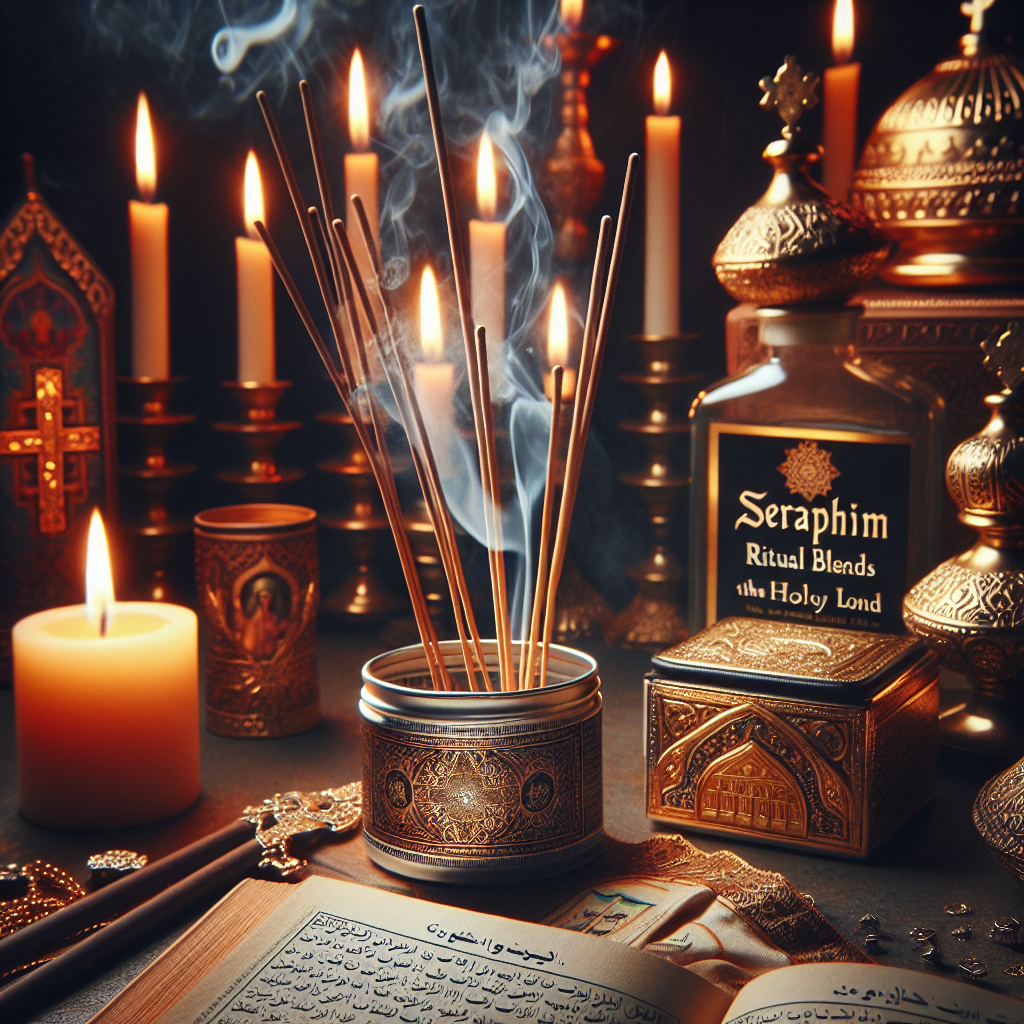
For thousands of years, incense has played a vital role in spiritual traditions across the world. Nowhere is this more evident than in the Holy Land, where sacred scents have shaped rituals, ceremonies, and daily life. Incense is more than just fragrance-it is a bridge between the ancient and the modern, connecting people to their faith and heritage.
Throughout history, incense has been used to:
- Enhance meditation and prayer
- Mark sacred spaces and occasions
- Symbolize purification and transformation
Today, the tradition continues with artisans like Seraphim Incense, who craft blends inspired by the Holy Land’s rich spiritual legacy. Their offerings invite you to experience the same scents that once filled ancient temples and churches. By exploring incense’s enduring presence, you can deepen your own spiritual practice and connect with generations past. In the sections ahead, we will uncover the stories, rituals, and modern uses of incense, offering practical tips for bringing its timeless benefits into your life.
The Sacred Origins of Incense in the Holy Land
Incense has deep roots in the Holy Land, with its use documented in ancient texts and archaeological sites. The Bible often mentions incense as a sacred offering, especially in the construction and rituals of the First and Second Temples in Jerusalem. Archaeologists have discovered incense burners, altars, and traces of aromatic resins at sites like Tel Arad and Ein Gedi, confirming its role in daily and ceremonial life.
Local herbs and resins were prized for their spiritual and healing properties. People gathered these natural materials from the Judean hills and desert valleys, blending them for specific purposes. Incense was not only burned in temples but also used in homes for purification and protection.
- Frankincense: Used in temple rituals and healing.
- Myrrh: Valued for its soothing aroma and medicinal uses.
- Labdanum: Harvested from local shrubs for its rich scent.
Understanding these origins helps us appreciate how incense shaped spiritual practices and daily life in the Holy Land.
Energetic Properties of Holy Land Herbs
The Holy Land is home to powerful herbs that have shaped spiritual practices for centuries. Each plant used in Seraphim Incense offers unique energetic and healing properties. These botanicals are valued not only for their fragrance but also for their ability to support emotional, mental, and spiritual well-being.
- Frankincense: Known for its calming scent, frankincense helps reduce stress and deepen meditation. It is often used to cleanse spaces and uplift the spirit.
- Myrrh: Myrrh is grounding and protective. It is believed to encourage emotional balance and support healing from grief or trauma.
- Sage: Sage is famous for clearing negative energy. Burning sage can refresh the mind and promote clarity during spiritual rituals.
- Rosemary: This herb sharpens focus and enhances memory. Rosemary is also used to purify the air and inspire courage.
To harness these benefits, try incorporating these herbs into your daily rituals. For example, burn frankincense during meditation or use rosemary to boost mental clarity before important tasks. These sacred plants can help create a balanced and peaceful environment.
Modern Incense Crafting: Blending Tradition with Intention
At Seraphim Incense, each stick is more than just a fragrance-it is a mindful creation. The artisans use hand-rolling techniques passed down through generations. This careful process ensures that every piece is unique and filled with purpose. Only natural ingredients are chosen, such as frankincense, myrrh, and local herbs from the Holy Land. These elements are blended to honor ancient recipes while meeting the needs of today’s spiritual seekers.
- Healing: Blends with lavender and sage promote calm and renewal.
- Manifestation: Citrusy and resinous scents help focus the mind during intention-setting rituals.
- Ritual Use: Sacred woods and spices support meditation and prayer.
Artisans at Seraphim Incense infuse each batch with pure intentions. They adapt time-honored formulas to modern life, creating lines for specific spiritual goals. If you are seeking clarity, grounding, or energetic cleansing, there is a blend for you. To deepen your own practice, try lighting a stick while focusing on your intention. The aroma can help anchor your thoughts and elevate your ritual experience.
Incense for Rituals, Healing, and Manifestation
Incorporating incense into your spiritual practice can deepen your connection to intention and tradition. The Holy Land offers unique blends for daily rituals, seasonal ceremonies, and moments of personal transformation. The Healing, Single Spirit, and Manifest lines each serve a special purpose, empowering you to tailor your incense use for meditation, protection, attraction, or spell work.
- Healing Line: Use frankincense and myrrh to cleanse your space before meditation or prayer, promoting emotional balance and physical well-being.
- Single Spirit Line: Light pure sandalwood or cedar for grounding energy, supporting focus during contemplation or study.
- Manifest Line: Choose blends with rose or cinnamon to attract love, abundance, or success, especially during new moon rituals or goal-setting ceremonies.
For best results, set a clear intention as you light your incense. Allow the smoke to fill your space, visualizing your desired outcome. You can also incorporate incense into spell work by:
- Writing your intention on paper and burning it with your chosen blend.
- Walking clockwise around your room, wafting incense to seal protective energy.
- Using specific blends on altar spaces to amplify manifestation rituals.
Experiment with different lines to find what resonates most with your spiritual needs and seasonal cycles.
Celebrating Pagan and Seasonal Festivals with Incense
Incense has played a central role in pagan and seasonal festivals for centuries. During solstices and equinoxes, many people use incense to mark the turning of the seasons and honor nature’s cycles. Blending local herbs and resins, practitioners create scents that evoke the spirit of the land and deepen their connection to sacred moments.
- Winter Solstice: Use frankincense and pine to invite renewal and light.
- Spring Equinox: Blend lavender and rosemary for balance and new beginnings.
- Summer Solstice: Burn sage and rose petals to celebrate abundance and joy.
- Autumn Equinox: Combine myrrh and cedar for gratitude and reflection.
To personalize your rituals, try crafting your own incense blends. Choose ingredients that grow locally or hold ancestral meaning. This mindful approach honors both the land and your heritage. As the fragrant smoke rises, let it carry your intentions, linking you to the cycles of nature, your ancestors, and the divine presence that flows through all things.
Guides and Wisdom: Deepening Your Incense Practice
Ready to take your incense journey further? The Seraphim Incense website offers a wealth of educational resources designed to support both beginners and seasoned practitioners. These guides help you understand the deeper meaning behind incense and how to use it with intention.
- Incense History: Explore the origins and cultural significance of incense in various traditions.
- Smoke Medicine: Learn how different herbs and resins are used for spiritual and physical well-being.
- Spiritual Cleansing: Find step-by-step instructions for using incense to clear negative energy from your space.
- Meditation Techniques: Discover ways to enhance focus and mindfulness with incense rituals.
- Herbal Wisdom: Deepen your knowledge of sacred plants and their unique properties.
For those eager to create a personal incense practice, consider these tips:
- Start with a simple daily ritual using your favorite scent.
- Read about the traditional uses of each resin or herb you burn.
- Experiment with combinations to find what resonates with your spirit.
With these resources, you can enrich your spiritual path and connect more deeply with ancient traditions.
Conclusion: Embracing the Transformative Power of Incense
Across centuries and continents, incense has been a powerful tool for healing, ritual, and daily spiritual practice. Its fragrant smoke connects us to ancient traditions, offering moments of reflection and peace. Whether used in sacred ceremonies or for personal meditation, incense bridges the gap between the past and the present.
- Healing: Incense can calm the mind and support emotional well-being.
- Ritual: Fragrant offerings mark important moments and invite sacred presence.
- Daily Practice: Even simple incense use can uplift your everyday life.
Seraphim Incense invites you to experience this timeless tradition in your own sacred journey. Start by choosing a blend that resonates with your intention. Light it during meditation, prayer, or quiet reflection. Notice how the scent transforms your space and mindset. By integrating incense into your routine, you honor both ancient wisdom and modern spiritual needs. Let incense be your bridge to deeper meaning, peace, and connection.
Frequently Asked Questions about Incense in Historical and Contemporary Spiritual Traditions
What is the historical significance of incense in the Holy Land?
Incense has played a vital role in the Holy Land for thousands of years, especially in religious ceremonies. It was used in ancient temples and sacred rituals to symbolize prayers rising to the heavens. Today, understanding its historical significance helps us appreciate how incense connects spiritual traditions across time, making it a meaningful addition to both historical study and modern practice.
How is incense used in contemporary spiritual practices?
In modern times, incense is often used to create a calming atmosphere, enhance meditation, and mark sacred moments. Many people light incense during prayer, yoga, or mindfulness sessions. To get the most out of contemporary use, choose natural incense and set a clear intention before lighting it, allowing the fragrance to support your spiritual focus.
What types of incense are commonly found in the Holy Land?
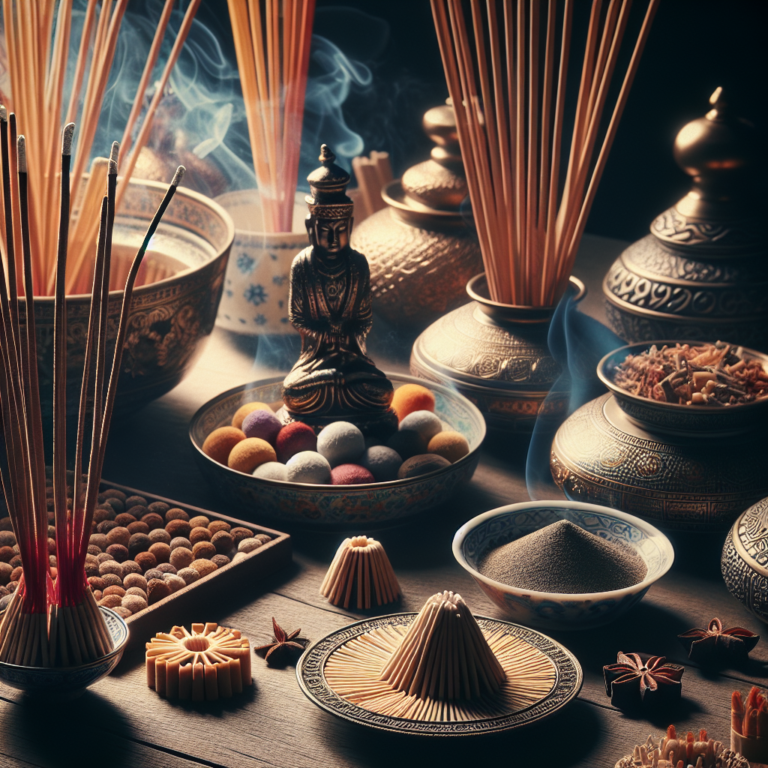
The Holy Land is known for its rich variety of incense, including frankincense, myrrh, and aromatic resins. These traditional scents are still popular today and are often blended with herbs and spices. When selecting incense, look for authentic sources to experience the true aromas that have been cherished in spiritual practices for centuries.
Are there specific rituals or traditions associated with incense in different religions?
Absolutely! Incense is integral to many religious traditions, such as Christianity, Judaism, and Islam. For instance, it’s used in church services, synagogue rituals, and during special Islamic occasions. Exploring these diverse rituals can deepen your appreciation for incense and inspire you to incorporate meaningful practices into your own spiritual routine.
What are the benefits of using incense in spiritual practices today?
Using incense can help create a peaceful environment, enhance focus, and signal the start of a sacred activity. Many people find that certain scents uplift their mood or aid in meditation. To maximize these benefits, choose incense that resonates with you and use it mindfully, connecting its aroma to your spiritual intentions.
How can I incorporate incense into my own spiritual practice?
Start by selecting a scent that aligns with your personal beliefs or goals. Light the incense in a safe holder, and take a few deep breaths to center yourself. Use this time for meditation, prayer, or reflection. Over time, you’ll find that incense can become a powerful tool for marking sacred moments and deepening your spiritual journey.
Are there any safety tips to keep in mind when burning incense?
Yes, always burn incense in a well-ventilated area and use a heat-resistant holder. Never leave burning incense unattended, and keep it away from flammable materials, children,