Introduction
In the world of professional healing and shamanic work, crafting your own rituals is more than a creative act-it is essential for deepening your practice and serving your clients. Personalized rituals allow you to align your unique energy with your intention, creating a sacred space that fosters true transformation. As you refine your craft, the use of sacred tools like Seraphim Incense can enhance your connection to the spiritual realm and help ground your presence during sessions.
- Seraphim Incense: Elevates the atmosphere and supports energetic cleansing.
- Crystals: Amplify intentions and provide energetic support.
- Drums or rattles: Shift energy and deepen trance states.
Advanced strategies for ritual design can take your healing work to the next level. By blending traditional wisdom with personal intuition, you can create ceremonies that resonate deeply with both you and your clients. In this article, you will discover practical tips and expert insights to help you build powerful, personalized rituals that elevate every aspect of your spiritual practice.
The Art of Ritual Creation: Foundations and Intentions
Designing a potent ritual starts with a clear intention. Ask yourself: What is the purpose of this ritual? Whether for healing, protection, or transformation, a well-defined goal shapes every step. Next, consider the energetic properties of your chosen herbs. For example, lavender soothes, while sage cleanses negative energy. Selecting the right botanicals creates a strong energetic foundation for your work.
- Set your intention: Write it down or speak it aloud to focus your energy.
- Choose herbs mindfully: Match plant energies to your desired outcome.
- Align with nature’s cycles: Plan rituals around the lunar phases or seasonal shifts for added power.
High-quality ritual tools amplify your results. Artisanal incense, like Seraphim’s Healing Incense Line, anchors your intention and enhances the atmosphere. Sourcing pure, small-batch incense ensures the integrity of your ritual space. As you create, remember: every element, from intention to incense, weaves together to support your healing mission.
Selecting the Right Incense: Energetic Properties and Applications
Choosing incense with intention is essential for professional healers and shamans. Each blend or single herb offers unique energetic properties that can support your ritual’s goals. For example, frankincense enhances spiritual clarity, while sage is ideal for cleansing and protection. Understanding these differences helps you create more effective and personalized ceremonies.
- Healing Line: Designed for deep emotional and physical renewal. Use blends with lavender, myrrh, or rosemary to promote calm and restoration.
- Single Spirit Line: Features pure, single-herb incense like palo santo or cedar. These are perfect for focused work, such as spirit communication or grounding.
- Manifest Line: Crafted to boost intention-setting and manifestation. Choose blends with cinnamon or sandalwood for energy and clarity during goal-oriented rituals.
Always opt for pure, hand-crafted incense-synthetic fragrances can disrupt energy flow and reduce the effectiveness of your work. High-quality, artisan incense ensures you’re working with clean, potent plant allies. This commitment elevates your practice and delivers better results for your clients.
Advanced Ritual Structures: Layering Elements for Transformation
To elevate your ceremonial work, consider layering sensory elements for a truly immersive experience. Combining incense, sound, movement, and visualization not only deepens the ritual but also supports transformation on multiple levels. For example, integrating Seraphim Incense with gentle chimes and guided breathwork can amplify spiritual clarity and presence.
- Light Seraphim Incense to set a sacred tone and invite higher energies.
- Use drumming or singing bowls to ground and energize the space.
- Incorporate gentle movement, such as slow walking or hand gestures, to embody intention.
- Guide participants through visualization, focusing on desired outcomes or healing imagery.
For even greater potency, align your rituals with lunar phases or seasonal shifts. New moons support beginnings, while full moons enhance release and manifestation. Marking solstices or equinoxes adds natural power to your work. By thoughtfully weaving these elements, you create ceremonies that resonate deeply and foster lasting change.
Incorporating Pagan and Seasonal Wisdom
Aligning your rituals with solstices, equinoxes, and sacred festivals can deepen the impact of your healing work. The shifting energies of each season offer unique opportunities for transformation. By crafting incense blends tailored to these moments-like cedar and frankincense for winter solstice or rose and lavender for spring equinox-you invite the spirit of the season into your practice.
- Winter Solstice: Use warming resins and evergreens to honor renewal.
- Spring Equinox: Blend florals and fresh herbs for balance and new beginnings.
- Samhain: Choose mugwort and myrrh to connect with ancestors.
To honor ancestral traditions while staying relevant, adapt ancient customs to modern contexts. For example, you might hold a virtual circle during Beltane or incorporate digital altars for distant clients. Always respect the roots of each tradition, but let your intuition guide updates that serve today’s needs. Weave seasonal energies into your offerings by adjusting your rituals, scents, and intentions throughout the year. This not only enriches your practice but also helps your clients feel more connected to nature’s rhythms.
Guided Ritual Examples for Healers and Shamans
For advanced practitioners, Seraphim Incense offers a powerful tool to deepen ritual work. Below are step-by-step outlines for three advanced rituals, each designed for a unique purpose. These examples can be adapted for solo or group sessions.
-
Spiritual Cleansing Ritual
- Incense Blend: White sage, frankincense, and myrrh.
- Light the incense and walk slowly around the space, letting the smoke drift into corners.
- Visualize the smoke absorbing negativity as you chant a cleansing affirmation.
- For groups, invite each participant to pass through the smoke curtain.
-
Manifestation Ceremony
- Incense Blend: Sandalwood, cinnamon, and bay leaf.
- Begin by lighting the blend and sitting quietly with your intention in mind.
- Write your goal on a slip of paper and hold it over the incense smoke.
- In a group, share intentions aloud to amplify collective energy.
-
Protection Shield Ritual
- Incense Blend: Cedar, dragon’s blood, and rosemary.
- Circle yourself or the group with incense, envisioning a protective barrier.
- Chant a chosen protection mantra for several minutes.
- Customize by adding crystals or sacred symbols to the circle.
For best results, tailor the ritual’s pace and language to your audience. Encourage participants to bring personal sacred items for deeper engagement.
Conclusion: Integrating Ritual into Daily and Professional Life
Intentional ritual has the power to transform both your personal and professional healing practice. By weaving sacred incense and herbal wisdom from the Holy Land into your daily life, you deepen your connection to ancient traditions and unlock new layers of insight. These mindful practices create a bridge between the spiritual and the practical, enhancing your ability to serve others and yourself.
- Set aside time each day for a simple incense ritual, even if brief.
- Experiment with different herbal blends to discover what resonates with your clients or community.
- Keep a journal to track the effects of new rituals and refine your approach.
Remember, your journey as a healer is always evolving. Stay curious, seek out new knowledge, and let creativity guide your path. The strategies in this guide are starting points-use them to build a practice that is uniquely yours. Embrace the transformative power of ritual and continue to explore the sacred gifts of the Holy Land’s plants every day.
Frequently Asked Questions: Advanced Ritual Crafting for Healers and Shamans

How can professional healers personalize rituals for different clients?
Personalizing rituals begins with understanding each client’s unique needs, intentions, and background. Start by having an in-depth consultation, then select symbols, elements, and practices that resonate with their beliefs and goals. For example, you might incorporate specific herbs, music, or guided imagery tailored to their healing journey. This approach not only deepens the ritual’s impact but also fosters a stronger client connection.
What are some advanced techniques for enhancing ritual effectiveness?
To enhance ritual effectiveness, consider layering sensory experiences-such as sound, scent, and movement-to fully engage participants. Use advanced visualization, breathwork, or energy channeling methods to amplify intentions. Additionally, integrating sacred geometry or working with lunar cycles can add depth and power. Experiment with these techniques, always adapting them to your personal style and the needs of your clients.
How do you ensure rituals remain ethical and respectful of diverse traditions?
Maintaining ethical standards starts with cultural sensitivity and ongoing education. Always seek permission when drawing from traditions outside your own, and give credit where it’s due. Adapt practices mindfully, avoiding appropriation. Encourage open dialogue with clients about their beliefs, and create rituals that honor their heritage. This respectful approach strengthens trust and upholds the integrity of your healing work.
What materials or tools are essential for advanced ritual work?
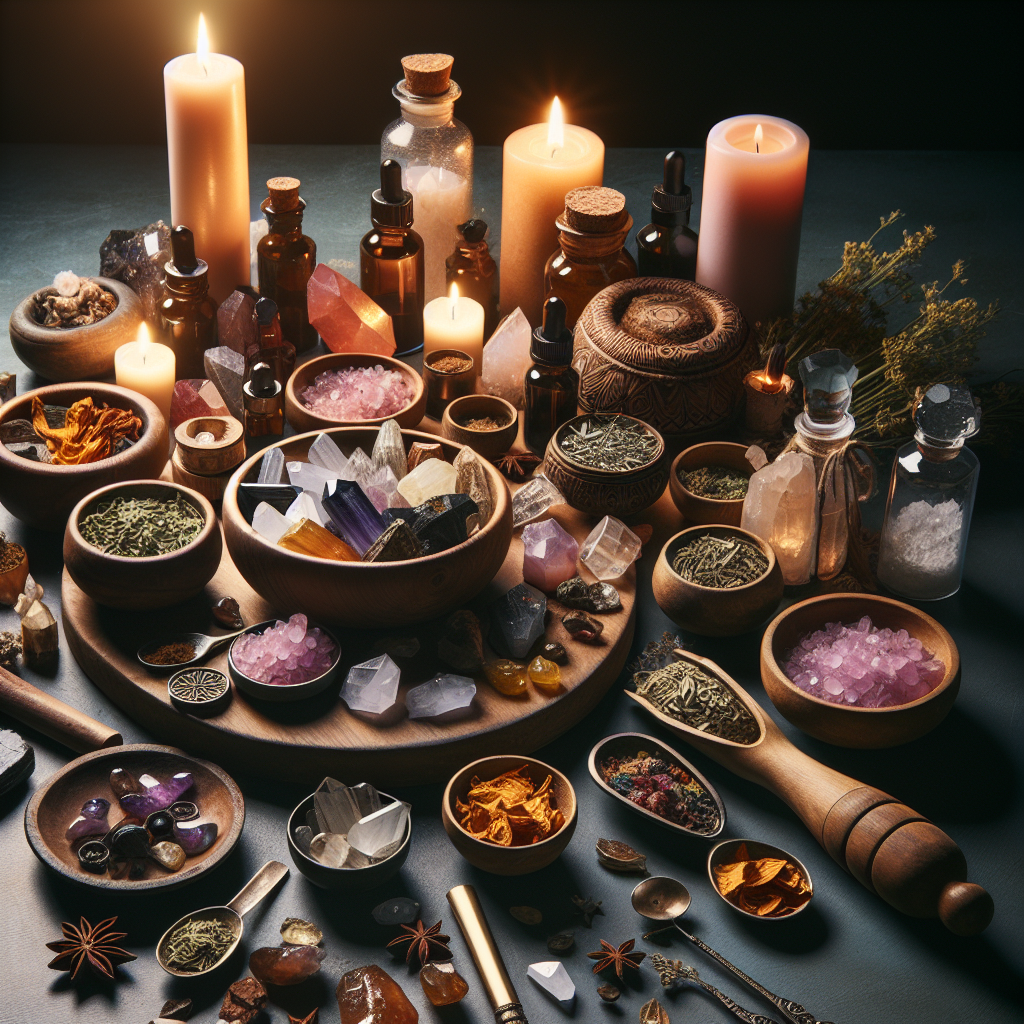
Essential tools vary, but common items include candles, crystals, sacred herbs, and musical instruments. For advanced work, you might add altar pieces, ceremonial clothing, or specialized ritual implements like wands or bowls. Choose materials that align with your intentions and the client’s needs. Regularly cleanse and consecrate your tools to maintain their energetic potency and ensure each ritual is as effective as possible.
How can healers track and measure the outcomes of their rituals?
Tracking outcomes involves both intuitive and practical methods. Encourage clients to journal their experiences and note any shifts in well-being. Use follow-up sessions to discuss progress and gather feedback. Some healers employ energy assessments or before-and-after questionnaires. Over time, these records help you refine your approach, ensuring each ritual is impactful and aligned with your clients’ evolving needs.
What are some tips for integrating ritual work into a professional healing practice?
To seamlessly integrate rituals, start by establishing clear boundaries and intentions for each session. Educate clients on the benefits and structure of ritual work. Create a dedicated space that supports focus and safety. Consistently reflect on your practice, seeking feedback and continuing education. By weaving ritual into your services, you offer clients a holistic, transformative healing experience that sets your